Scallop Cracker SVG: A Designer's Take on 3D Shapes
When I first pulled up the Scallop Cracker SVG on my screen, my immediate reaction wasn't just about the file format; it was about the potential texture it could bring to a finished product. As someone who spends hours tweaking digitized files and testing them on everything from thick toweling to delicate baby knits, I look for designs that offer more than just a flat image. This file, categorized under Shapes and labeled as a 3D SVG, immediately sparked ideas for layered applications and dimensional embroidery projects. It is important to remember that this is a digital cutting file designed for machines like Cricut or Silhouette, which changes how we approach it compared to a standard stitched-out pattern. However, for an embroidery designer, these cut files are often the secret weapon for creating complex appliqué layers or unique mixed-media textiles.
First Impressions and Visual Personality
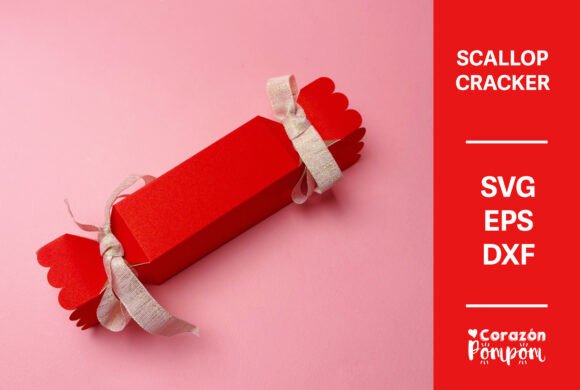
The visual personality of the Scallop Cracker SVG is playful yet structured. The scalloped edges suggest a vintage charm, reminiscent of classic bakery boxes or old-fashioned party favors, but the "cracker" shape gives it a modern, geometric twist. When evaluating a design for real project use, I always ask myself: Does this have enough character to stand alone, or does it need embellishment? In this case, the shape is strong enough to be the hero of a design, but its true power lies in how it interacts with other elements.
For a small business owner or an Etsy seller, the mood this design creates is inviting. It feels celebratory without being overly specific to one holiday, making it a versatile asset for a craft business. Whether you are aiming for a whimsical nursery vibe or a sophisticated boutique aesthetic, the clean lines of this digital embroidery file equivalent allow for significant customization. The "3D" aspect mentioned in the product type hints at its suitability for layering. If you were to cut this from felt or leather and stack it, or use it as a template for a dense satin stitch border, the result would have a tangible depth that flat prints simply cannot achieve.
Real-World Application: The Custom Tote Bag Scenario
Let's walk through a realistic scenario where this design shines. Imagine a client orders a set of custom tote bags for a summer market stall. They want something that looks handmade but polished. Here is where the Scallop Cracker SVG becomes invaluable. Instead of just stitching a logo onto the bag, I would use this file to cut a layer of contrasting canvas or heavy cotton.
I would position the cut-out shape onto the tote bag design area and secure it with a temporary adhesive spray. Then, using a zigzag or wide satin stitch on my embroidery machine, I would stitch around the perimeter. This technique turns a simple cutting file into a robust applique design. The scalloped edges provide a natural guide for the needle, ensuring that the stitching follows the curves smoothly. For the customer, the result is a handmade product that feels substantial and high-value. The texture of the layered fabric combined with the thread creates a tactile experience that encourages buyers to pick up the item, increasing the likelihood of a sale at a craft fair.
This approach also works beautifully for sweatshirt embroidery. If you are creating a line of cozy, oversized hoodies, placing a large version of this shape on the back or chest adds a focal point that breaks up the solid color of the garment. It transforms a basic piece of custom apparel into a statement piece. For baby embroidery, scaling the design down and using soft pastels on a onesie creates a gentle, gender-neutral motif that parents love for gift-giving.
Navigating Fabric Textures and Technical Challenges
While the Scallop Cracker SVG is versatile, a professional designer knows that not every fabric is a perfect match. Because this is a shape with distinct curves and potentially sharp internal angles depending on how you manipulate the "cracker" concept, fabric choice is critical.
- Stretchy Fabrics: If you are applying this to a stretchy knit or a cap, you must be cautious. The rigid nature of a cut file (if used as an appliqué base) can restrict the stretch of the fabric, leading to puckering. Always test on scrap fabric first.
- Textured Surfaces: On highly textured fabrics like looped toweling or bouclé, the clean lines of the SVG might get lost. In these cases, using a contrasting thread color with a high-density fill stitch or a bold satin stitch border is necessary to define the shape clearly.
- Small Hoop Sizes: If you intend to use this for small items like coin purses or patches, ensure the details of the scallops do not become too tight for your machine's minimum stitch length. Tiny corners can sometimes cause thread bunching if the design is scaled down too aggressively.
- Dark Fabrics: When working on dark backgrounds, the silhouette of the shape is key. Ensure your cut material or thread colors provide enough contrast. A black-on-black approach can look sophisticated, but only if the texture difference is pronounced.
It is also worth noting that since this is a digital cutting file, you are responsible for determining the stitch density if you choose to embroider over it or around it. There is no pre-set stitch count provided in the file description, so reviewing your machine's capabilities and doing a test run is non-negotiable. This is especially true for products that need frequent washing, like kitchen towels or aprons. Secure the edges well to prevent fraying after multiple cycles.
Enhancing Brand Value and Customer Trust
In the world of commercial embroidery and small shop products, consistency is king. Using a distinctive shape like the Scallop Cracker SVG across different product lines can help build brand recognition. Imagine using this shape as a backdrop for your logo on hang tags, then repeating it as an embroidered patch on your packaging or merchandise. This repetition creates a cohesive brand identity that customers subconsciously trust.
Furthermore, the quality of the finished presentation directly impacts perceived value. A cleanly cut and perfectly stitched appliqué suggests attention to detail. It tells the customer that the maker cares about the finished product. For personalized gifts or holiday embroidery projects, this level of care turns a simple item into a cherished keepsake. When a buyer sees that the edges are crisp and the layout is balanced, they are more likely to leave a positive review and return for future purchases.
Practical Notes for the Professional Maker
Before committing this design to a client order or a large batch of inventory, keep these practical tips in mind:
- Check Licensing: The product description notes this is a digital file for cutting machines. Always verify the license terms regarding commercial use. Can you sell the physical items made with this cut? Can you sell the digital file itself? Clarify this before listing on Etsy or your own site.
- Mockup Testing: Create printable mockups or digital previews to see how the shape looks in black and white versus color. This helps in planning thread palettes and fabric combinations without wasting materials.
- Stabilizer Selection: Even though this is a cut file, if you are stitching it down, the weight of the added layer may require a heavier cut-away stabilizer to prevent sagging, especially on garments like t-shirts.
- File Compatibility: Ensure your cutting machine software reads the SVG correctly. Sometimes, complex paths in "3D" styled SVGs can have stray nodes that need cleaning up before cutting.
Ultimately, the Scallop Cracker SVG is a tool that rewards creativity. It bridges the gap between digital precision and tactile craftsmanship. For the creative entrepreneur willing to experiment with layers and textures, it offers a pathway to creating unique design assets that stand out in a crowded marketplace. By treating this cutting file as a foundational element for embroidery and mixed media, you unlock a range of possibilities that go far beyond simple paper crafts.