Key Candy Holder: A Designer's Take on 3D SVG Utility
As someone who spends more time than I care to admit staring at stitch simulations and thread charts, I approach every new machine embroidery design with a mix of curiosity and skepticism. When I first pulled up the files for the Key Candy Holder, my initial reaction wasn't just about the aesthetic; it was about the function. In the world of Shapes and structural designs, form must always follow function, especially when the end product is meant to be handled, used, and potentially washed. This isn't just a pretty graphic for a t-shirt; it is a blueprint for a tangible object. The description hints at a multi-material approach involving cardboard, liquid silicone, and acetate, which immediately signals that this is a hybrid project blending digital cutting with traditional stitching.
First Impressions and Structural Potential
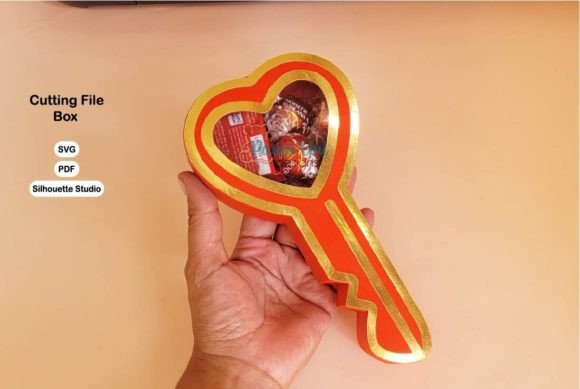
The visual personality of the Key Candy Holder is playful yet practical. It carries a whimsical mood that fits perfectly into the current trend of "cute utility" items—things that are functional but bring a smile to the user's face. As a 3D SVG, the design relies heavily on clean lines and precise cut paths. For an embroidery designer, the first thing I look for is how these cut lines interact with the stitch areas. Will the needle punch too close to the cut edge? Is there enough margin for error when working with textured fabrics?
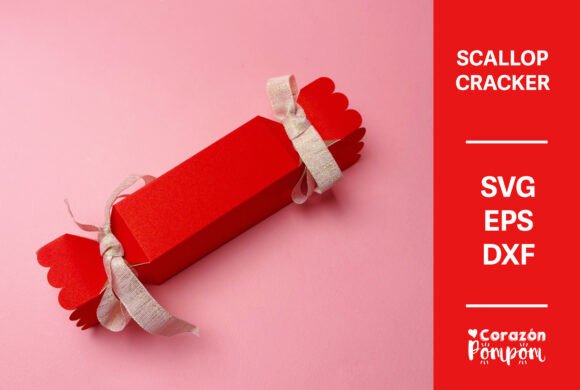
The layout suggests a box-like structure, likely intended to hold small treats or keys, hence the name. The inclusion of instructions in both English and Spanish is a thoughtful touch for international crafters, but the real test lies in the execution. The requirement to ungroup elements in your software is standard for complex layered files, but it demands attention to detail. If you rush this step, you risk misaligning the acetate windows or the cardboard structural supports, which would ruin the integrity of the finished product.
Real-World Application: The Boutique Gift Scenario
Let's imagine a realistic scenario where this design shines. Picture a small shop owner preparing for the holiday rush. They want to create a high-value, low-cost add-on item for customers buying custom sweatshirt embroidery or personalized tote bags. Instead of just handing over a garment, they include a Key Candy Holder filled with artisanal chocolates or branded mints. This elevates the unboxing experience significantly.
In this context, the Key Candy Holder acts as a bridge between digital precision and handmade charm. The acetate provides a modern, clear window to show off the contents, while the embroidered or decorated exterior adds that human touch. For an Etsy seller, this kind of attention to detail builds customer trust. It shows that you aren't just slapping a logo on a blank; you are curating an experience. The design's compact nature makes it ideal for holiday gifts, wedding favors, or even as a unique packaging solution for a handmade product line.
Navigating Material Challenges
However, working with a design that calls for cardboard and liquid silicone requires a shift in mindset from standard apparel decoration. When I evaluate a file like this, I immediately think about the stabilizer requirements. While the structural materials provide their own rigidity, the fabric components (if any are used in conjunction) need to be treated with care. If you are attaching this holder to a tote bag design or an apron, the weight of the filled box could pull on the stitches if not secured properly.
There are specific areas where caution is warranted. If you attempt to scale this down for a baby embroidery project, such as attaching it to a onesie, you must consider safety. Small parts, hard edges from the cardboard, or loose threads can be hazards. Furthermore, working on stretchy fabric or curved surfaces like caps would be ill-advised for this specific 3D structure. The rigid nature of the box conflicts with the flexibility required for headwear. This design belongs on flat, stable surfaces or as a standalone accessory.
Visual Appeal and Brand Consistency
The clarity of the cut lines in a digital embroidery file like this dictates the professionalism of the final look. Sloppy cuts in the acetate or uneven folding of the cardboard will make even the most beautiful stitching look amateurish. For commercial embroidery projects, consistency is key. If you are producing these in bulk for a boutique, you need a workflow that ensures every Key Candy Holder looks identical.
The design offers excellent opportunities for branding. You can customize the exterior with specific thread colors that match a client's logo, turning a simple candy box into a powerful marketing tool. The contrast between the matte finish of the cardstock and the sheen of the satin or fill stitches creates a tactile richness that customers appreciate. It adds perceived value to the small shop product, allowing you to command a higher price point than a standard paper bag.
Practical Notes for the Maker
Before committing to a full production run, I strongly advise testing the design on scrap materials that mimic your final choice. Check the stitch density if there are embroidered elements on the box itself; too much density on thin cardboard can cause warping. Verify that your cutting machine can handle the specific thickness of the materials listed—cardboard and acetate vary greatly by brand.
Also, review the licensing terms carefully. The prompt mentions instructions for English and Spanish, but it does not explicitly state whether the license covers unlimited commercial sales of the physical item or if there are restrictions on reselling the digital assets themselves. Always confirm this before listing items on your craft business platform. Additionally, since the file requires ungrouping, ensure your software handles the layers correctly to avoid accidental deletion of crucial score lines or fold markers.
Finally, consider the durability. A personalized gift should last. If the liquid silicone is used as an adhesive or sealant, ensure it cures completely and doesn't leave a residue that attracts dirt. For items that might see frequent handling, reinforce the stress points. A little extra time spent on reinforcement during the assembly phase can prevent the embroidered patch or attached elements from peeling away later.
In conclusion, the Key Candy Holder is a versatile asset for the creative entrepreneur who understands that modern crafting often involves mixed media. It moves beyond simple thread on fabric, inviting makers to explore structure and utility. With careful attention to material selection and assembly, it can become a signature element of your brand, delighting customers with its clever design and thoughtful execution.