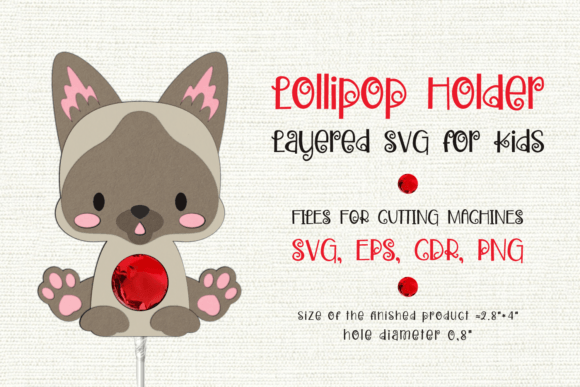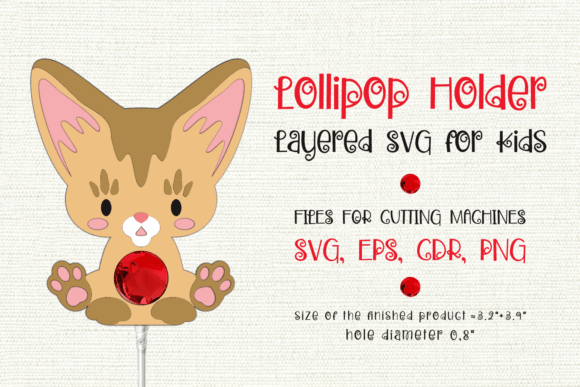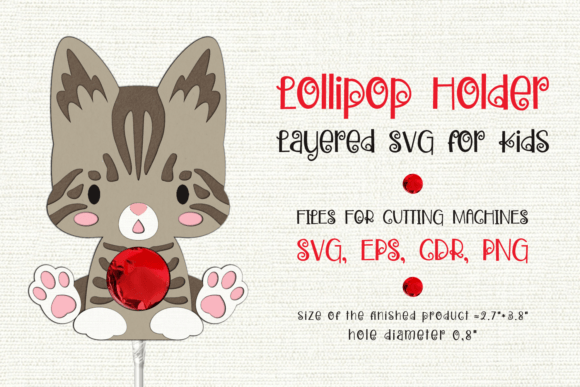
Bengal Cat Lollipop Holder: A Designer's Review
As a designer who spends more time staring at stitch maps than most people spend looking at actual art, I approach every new machine embroidery design with a mix of excitement and skepticism. We have all been there: you download a file that looks adorable on the screen, only to find out it turns into a puckered mess on a cotton tote or loses all definition on a fuzzy sweatshirt. So, when I came across the Bengal Cat Lollipop Holder, I didn't just look at the preview image; I started thinking immediately about how this would translate from a digital concept to a tangible, stitched reality.
The first thing that strikes me about this design is its playful personality. It isn't just a generic cat silhouette; it captures that specific, sleek energy associated with Bengal cats while integrating a whimsical lollipop element. For those of us running a craft business or selling as an Etsy seller, visual appeal is the currency of trust. Customers need to see a design that feels intentional and polished. The layout here suggests a balance between character and function. It feels like a design that belongs in the Shapes category but carries enough narrative weight to stand alone as a focal point on a finished product.
Real-World Application: From Screen to Stitch
Let's move beyond theory and talk about a real scenario. Imagine you are preparing a custom order for a client who runs a boutique pet supply shop. They want a line of personalized gift items for cat lovers—specifically, heavy canvas tote bags and structured aprons. This is where the Bengal Cat Lollipop Holder shines. Because the concept involves a "holder," it naturally invites interaction. In an embroidery context, this could mean utilizing an applique design technique where the lollipop stick is stitched down, leaving the top portion open or using a different texture to simulate the candy.
When I visualize this on a tote bag design, the clean lines of the cat contrast beautifully against the weave of canvas. If you are using a satin stitch for the outlines, the sheen of the thread will pick up the light, giving the Bengal's coat a lifelike quality. However, if you are aiming for a softer, more vintage look on a baby item, switching to a fill stitch with a lower density could create a charming, textured effect. The versatility of this embroidery file allows it to pivot between high-end boutique branding and cozy, handmade nursery decor depending entirely on your thread choices and fabric selection.
For small shop product lines, consistency is key. If you decide to use this motif across a range of items—say, a matching set of tea towels and a sweatshirt embroidery project—you need to ensure the scale remains appropriate. On a cap or hat, the curved surface demands a smaller, tighter design. Here, you must be cautious. If the details of the cat's spots or the swirl of the lollipop are too fine, they may merge together when stitched onto a twill cap. Always test your hoop size constraints before committing to a production run.
Technical Considerations for Professional Results
One aspect of this design that requires careful attention is the interplay between the cat figure and the lollipop element. In many 3D SVG or layered concepts, the depth is achieved through shadows or overlapping vectors. In embroidery, we achieve depth through stitch direction and density. If the Bengal Cat Lollipop Holder relies on dense stitching to define the cat's muscular build, you must pair it with the correct stabilizer. Using a cut-away stabilizer is often safer for garments that will undergo frequent washing, ensuring the design doesn't distort over time.
Fabric texture plays a massive role here. On a smooth polyester performance shirt, the stitches will sit high and proud, which can look fantastic for a sporty aesthetic. However, on a fluffy fleece or a looped towel, those same stitches might sink in, causing the intricate details of the Bengal's face to disappear. I always recommend running a test on scrap fabric that matches your final material. Check the thread colors specifically; a dark thread on a dark fabric might look sophisticated in a mockup but invisible in real life. Contrast is your friend when selling handmade products online where customers can't touch the item.
Furthermore, consider the "washability" factor. If this design is intended for baby embroidery projects, the back of the stitching must be clean. No loose jumps or bulky knots that could irritate sensitive skin. A professional embroidery project is judged as much by its reverse side as its front. If the design includes small, isolated elements (like the tip of the lollipop or the cat's whiskers), ensure your machine's tension is dialed in perfectly to prevent bird-nesting.
Commercial Viability and Branding
For commercial embroidery professionals, the question is always about value perception. Does this design elevate the product? The Bengal Cat Lollipop Holder has a quirky charm that appeals to a specific demographic: the fun-loving animal enthusiast. This makes it an excellent candidate for holiday gifts, particularly around Halloween or birthdays. When used in printable mockups for your online store, ensure the lighting highlights the texture of the stitches. A flat, digital rendering often fails to convey the premium feel of a well-executed embroidered patch or logo.
It is also worth noting the licensing implications. Since this is described as a digital product and potentially a template for cutting machines as well, you must verify the terms before selling finished goods. Some designers allow unlimited sales of physical items, while others restrict the number or require attribution. Never assume; always read the fine print to protect your craft business reputation.
Final Verdict for Makers
In conclusion, the Bengal Cat Lollipop Holder offers a delightful blend of character and utility. It is not just a static image; it is a prompt for creativity. Whether you are creating a single personalized gift for a friend or launching a new collection of custom apparel, this design holds potential. However, its success lies in your execution. Respect the fabric, choose your stabilizer wisely, and don't be afraid to experiment with thread textures. By treating this digital embroidery file with the technical rigor it deserves, you can transform a simple download into a standout piece of art that customers will cherish.
Remember, the difference between a hobbyist project and a professional small shop product often comes down to these small details. Test your samples, inspect your corners, and let the unique personality of the Bengal cat shine through your needlework.