Book Type Invitation Cutting Template: A Designer's Review
When I first pulled up the Book Type Invitation Cutting Template on my screen, my immediate reaction wasn't just about the aesthetic; it was about potential. As someone who spends hours digitizing and stitching for clients, I look past the pretty preview images to ask the hard questions: How will this actually stitch out? Will it hold up on a textured tote bag? Is it viable for a small business selling high-end custom apparel? This review breaks down the real-world application of this design, moving beyond the marketing fluff to give you the practical insight you need before you commit your thread and fabric.
First Impressions and Visual Personality
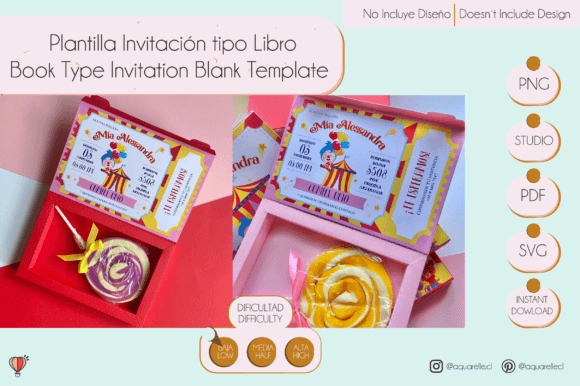
The mood this template creates is undeniably elegant and narrative-driven. There is a classic charm to the book shape that instantly suggests storytelling, making it a perfect fit for literary-themed events, wedding invitations, or boutique branding that values tradition. The layout feels balanced, with a structure that implies depth without being overly complicated. In the world of Shapes, this stands out because it isn't just a static icon; the 3D SVG nature of the file suggests a layering capability that adds dimension to the final finished product.
Visually, the design carries a personality that is both sophisticated and inviting. It doesn't scream for attention with chaotic details but rather whispers quality through its clean lines. For an embroidery project, this is crucial. Overly complex designs often lose their charm when translated into thread, especially if the stitch density is too high for the chosen material. My initial assessment is that this template offers a strong foundation for a professional look, provided the execution matches the concept.
Real-World Application: The Boutique Wedding Scenario
To truly test the viability of the Book Type Invitation Cutting Template, let's walk through a realistic scenario. Imagine you are running a small shop product line focused on personalized wedding gifts. A client approaches you wanting a set of embroidered linen napkins or perhaps a velvet ring bearer pillow that mimics the look of an old-fashioned storybook.
In this context, the design shines. If you are creating a custom apparel piece, like a bridesmaid robe or a groom's sweatshirt, this template serves as a striking focal point. The "book" motif allows for customization within the cover area—perhaps monogramming the couple's initials or the wedding date. When stitched as an applique design, using a contrasting fabric for the book cover against a neutral background, the result is a high-value handmade product that justifies a premium price point.
I can visualize this working beautifully on a structured tote bag design meant for carrying wedding favors. The rigid shape of a tote supports the definition of the book spine and pages better than a flimsy t-shirt would. For an Etsy seller, listing this as part of a "Literary Wedding Collection" could significantly boost buyer engagement. The visual appeal translates directly into perceived value; customers trust a brand that presents cohesive, well-thought-out designs rather than generic clipart.
Navigating Fabric Challenges and Stitching Clarity
However, enthusiasm must be tempered with technical caution. Not every fabric is a friend to this specific shape. If you are attempting sweatshirt embroidery on a heavy, textured fleece, you need to be mindful of the stitch density. If the template relies heavily on satin stitch for the borders, those long stitches might sink into the pile of the fleece, losing their crisp definition. In such cases, switching to a tighter fill stitch or adding a topping stabilizer becomes non-negotiable.
Similarly, curved surfaces present a hurdle. Trying to place this on a cap requires careful hooping and potentially modifying the underlay. The corners of the "book" could pucker if the stabilizer isn't robust enough to handle the tension. For baby embroidery, where softness is paramount, you must ensure that the back of the stitching doesn't feel scratchy. A running stitch outline might be preferable here to reduce bulk, though it sacrifices some of the boldness of a satin finish.
Dark fabrics also require a strategic approach to thread colors. If the template assumes a light background, stitching it onto navy or black fabric without a proper underlay will result in a muddy, indistinct image. Always test your embroidery file on scrap fabric that matches your final material. Check how the light interacts with the threads; sometimes a design that looks sharp on a white mockup loses its impact on a dark fabric texture.
Commercial Viability and Brand Consistency
For commercial embroidery professionals and digital product sellers, consistency is key. The Book Type Invitation Cutting Template offers a versatile asset that can be scaled across different products, from embroidered patches to large wall hangings. However, before selling finished items or digital derivatives, you must verify the licensing terms. Does the license allow for unlimited physical sales? Can you modify the vector paths for a printable mockup? These are critical questions for any craft business owner.
Using this design effectively can enhance your brand recognition. If you specialize in holiday embroidery, adapting this book shape for a Christmas story theme or a Hanukkah tale creates a seasonal hit. The professionalism of the output reflects directly on your reputation. A sloppy stitch-out on a poorly chosen fabric can damage customer trust, whereas a crisp, well-executed version reinforces your status as an expert.
Practical Notes for the Serious Maker
Before you start stitching, here are my top recommendations for ensuring success with this template:
- Test First: Never run a new digital embroidery file on your final garment without a test run on scrap fabric of the same weight and weave.
- Check Contrast: Evaluate your thread colors against the fabric. High contrast usually yields better visibility, but subtle tonal shifts can work for a sophisticated, understated look.
- Review Density: Inspect the stitch count relative to the size. If the design is too dense for thin fabric, it will cause puckering. If it's too sparse, the backing will show through.
- Hoop Size Verification: Confirm that the design fits comfortably within your available hoop size, leaving enough margin for the machine to grip the fabric securely.
- Detail Inspection: Zoom in on the smallest elements. Tiny lettering or intricate corners often need manual editing in your digitizing software to prevent thread breaks.
- Mockup Testing: Create black and white mockups to see if the design holds its form without relying on color cues.
- Stabilizer Selection: Match your stabilizer to the fabric. Cut-away is generally safer for stretchy knits, while tear-away works for stable wovens.
- Licensing Check: Explicitly confirm whether the license covers commercial use for both physical goods and digital assets.
In conclusion, the Book Type Invitation Cutting Template is a promising tool in the arsenal of a creative entrepreneur. It bridges the gap between traditional aesthetics and modern customization. While it requires thoughtful consideration regarding fabric choice and stitch technique, its potential for creating memorable, high-quality personalized gifts and boutique merchandise is significant. With the right preparation and a keen eye for detail, this design can elevate your embroidery project from a simple craft to a professional masterpiece.